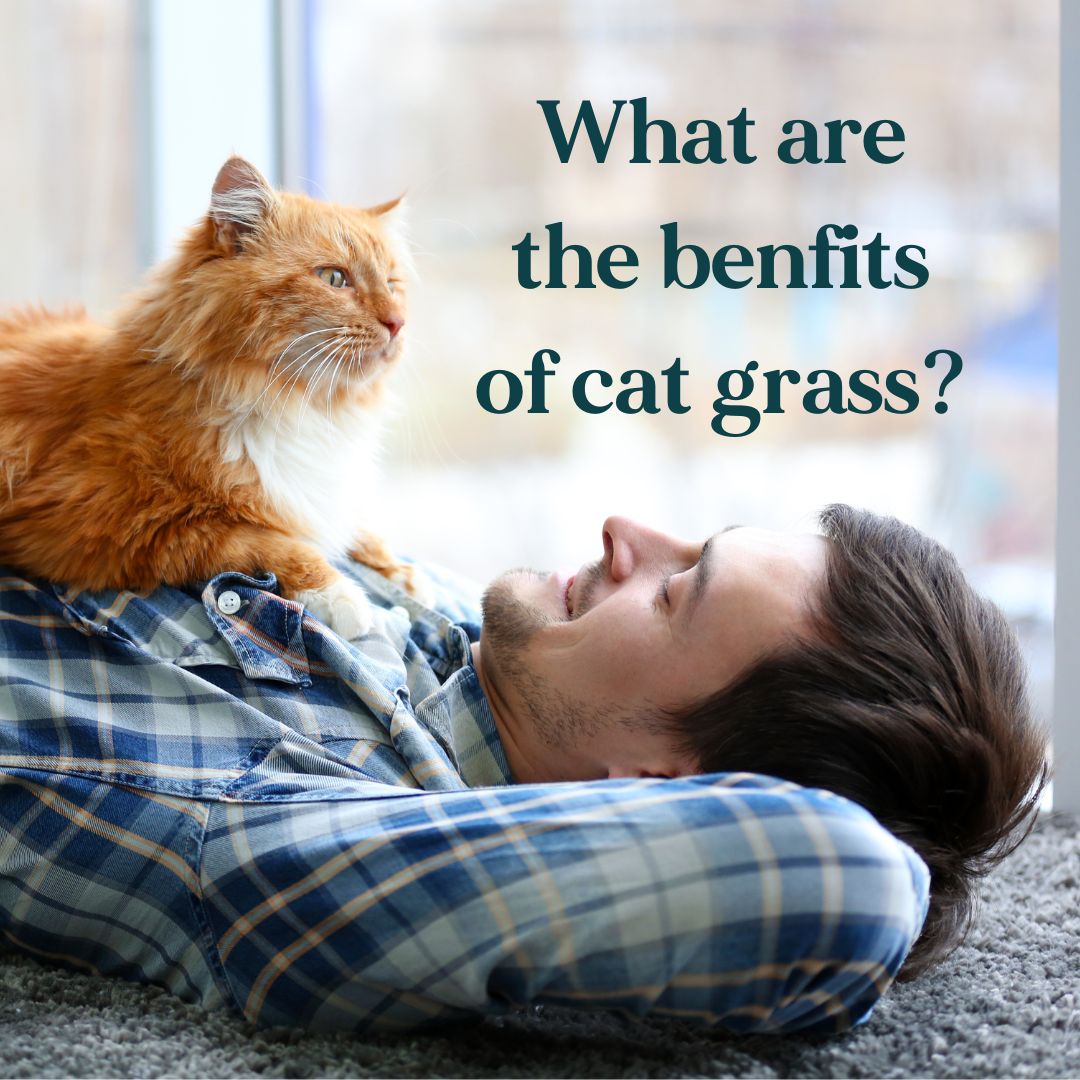
What are the benefits of cat grass?
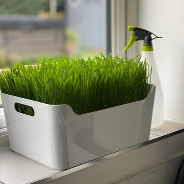
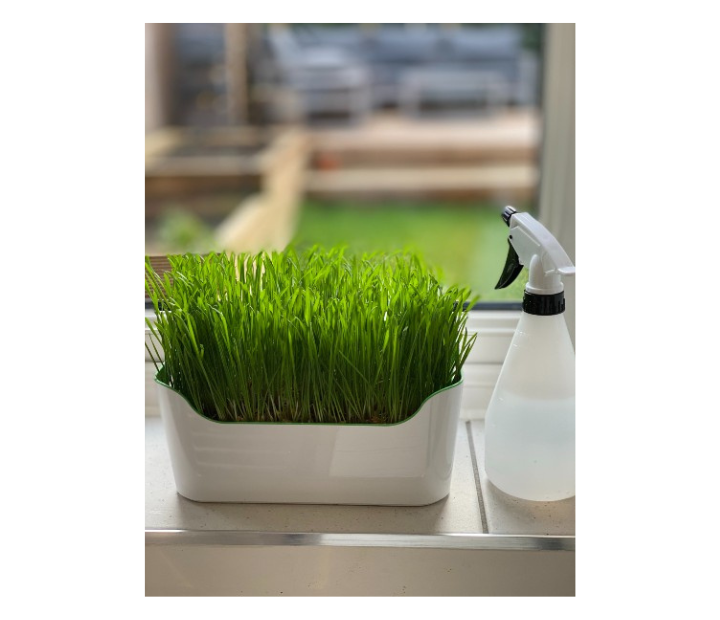
Cats are known for their curiosity and playful nature, often exploring and nibbling on various plants around the house. While many house plants can be toxic to cats, cat grass offers a safe and beneficial alternative. Cat grass, whether grown from wheat, oat, or barley, is not only non-toxic but also provides several health benefits for our feline friends. Let’s delve into the myriad advantages of cat grass, focusing on its nutritional and environmental contributions.
.
Do you remember when your mum would say to you “eat your carrots because they’ll help you see in the dark”? Well there’s an element of derivative truth in that statement! In humans Beta carotene, a precursor to vitamin A, is essential for your health. Your body converts the carotenes into retinols and subsequently into vitamin A which aides your vision, immune function, and skin health. Whilst cats can digest Beta Carotenes from Cat Grass and in turn convert those Beta Carotenes into retinols, cats don’t subsequently turn those retinols into Vitamin A. The function retinols plays in cats is arguably even more exciting. In cats retinols acts as an antioxidant, helping to neutralize harmful free radicals in your cats’ body – more on this later. Retinols from Beta Carotene also support healthy brain function and cognitive development – again we’ll look at this in more detail later.
My Cat Grass Range of Ready Grown Cat Grasses are full of Beta Carotenes, so much so, they meet cats’ minimum daily requirement as set out by the Food Standards Agency (FSA) – one of the many reasons why My Cat Grass is registered as the UK’s only pet food, cat grass product and why it is the perfect addition to a well balanced diet.
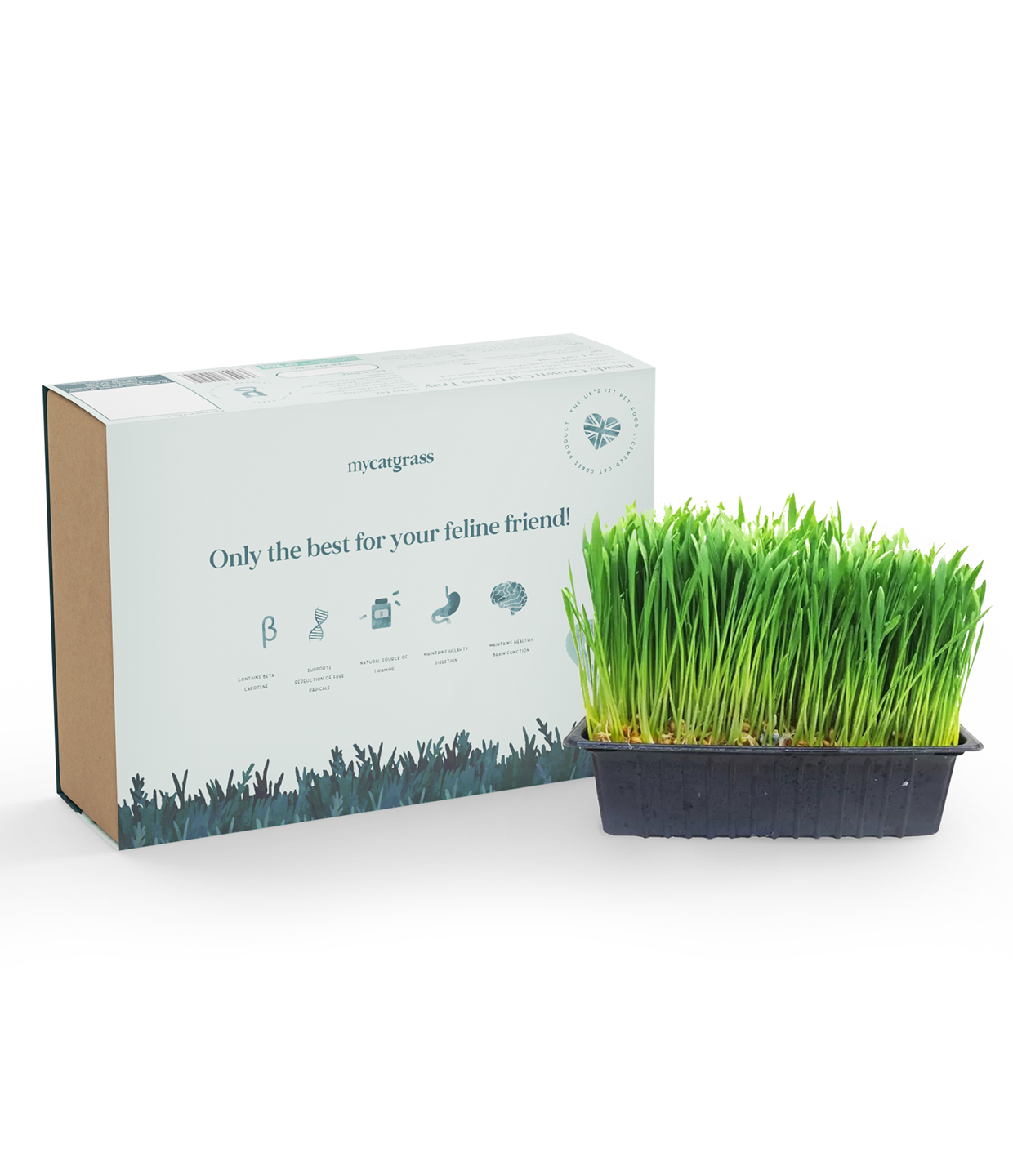
You can find further details on the quantities of Beta Carotene levels on the packaging of each of our Ready Grown Cat Grass boxes.
Thiamine, also known as vitamin B1, is a water-soluble vitamin that plays a pivotal role in energy metabolism. It is essential for the proper functioning of the heart, muscles, and nervous system. Cat grass is a natural source of thiamine, helping to ensure that your cat maintains optimal energy levels and nerve function. Thiamine deficiency can lead to neurological issues and appetite loss, so providing a natural source through cat grass can be highly beneficial.
Thiamine is an essential additive all cat food manufacturers must add in set quantities to their cat food according to the FSA regulations. Most if not all manufacturers of cat food in the UK add Thiamine in powdered form. The main issue with this practice is that Thiamin degrades naturally over time. If you’ve heard about the cat food recalls in the UK over the last few years, the majority of these have been as a result of low levels of added Thiamine or degraded Thiamine over time. It doesn’t matter whether you’re purchasing a respected and trusted brand, the cost of the product or even if the product states it’s 100% natural, all cat food must have Thiamine added to be offered for sale in the UK. Cat’s cannot produce Thiamine or obtain Thiamine from their food unless added.
My Cat Grass’s Range of Ready Grown Cat Grass however, is full of natural Thiamine which means Thiamine in powder form which degrades doesn’t have to be added. Cat Grass Thiamine is soluble in your cat’s digestive system and contains levels which not only meet but exceed the daily minimum requirements set by the pet food ingredients legislation. It is a 100% natural source of Thiamine. Thiamine levels in cat grass still range over time, increasing in the first 10 days, at their highest between 10 and 14 days and depleting thereafter. However, through the 3 – 4 week period of recommended use of our Ready grown cat grass, Thiamine levels remain above FSA pet food ingredient minimum requirements – as long as you follow our grow and care instructions – you can find these here
Ready Grown Cat Grass -if sold as a pet food licensed product (Animal Feed Material) – as it legally must be under UK Law, can provide your cat with a 100% natural source of Thiamine. If cared for properly your cat grass will provide an additional supply of Thiamine at guideline and legislative levels. Supporting your cats healthy energy metabolism and maintaining healthy functioning of the heart, muscles, and nervous system.
You can find further details on the quantities of Thiamine levels packaging on each of our Ready Grown Cat Grass boxes.
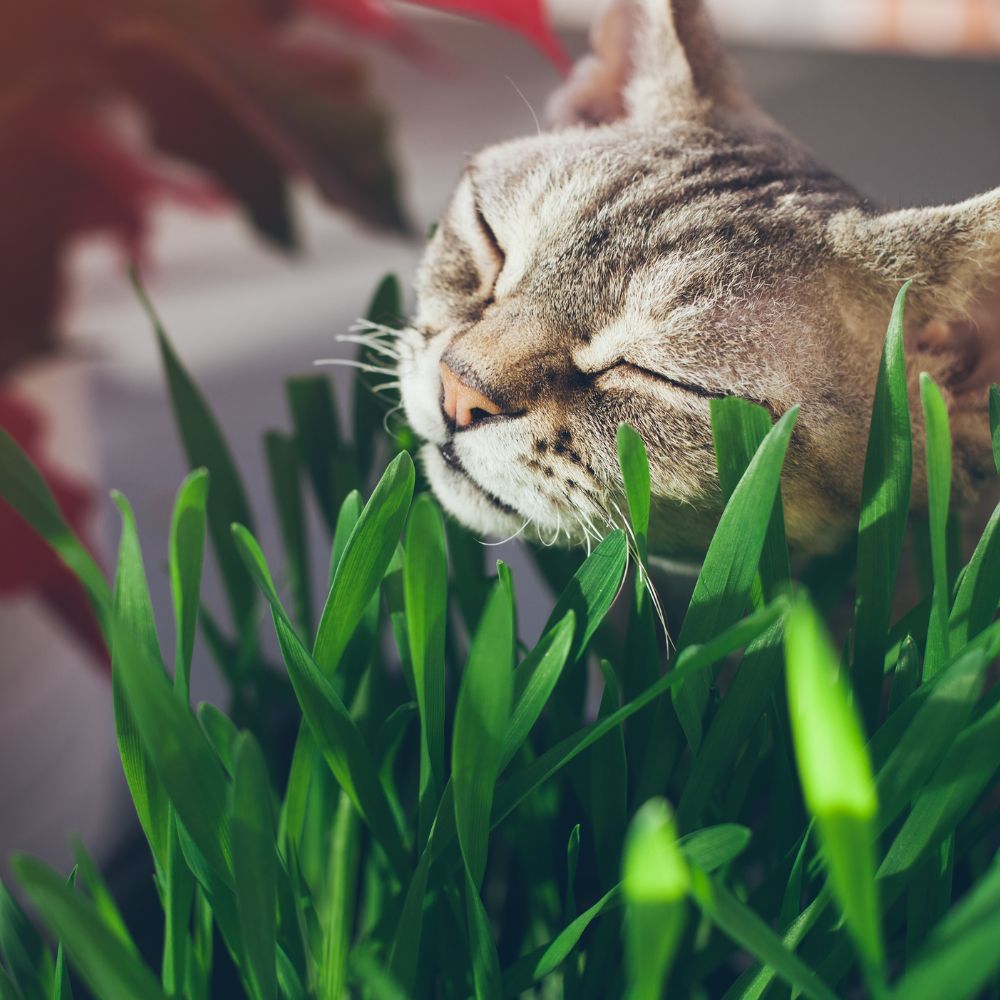
Introducing cat grass into your home creates a stimulating environment for your cat. Cats are natural hunters and explorers, and having a pot of cat grass allows them to engage in natural behaviors like nibbling and chewing. This not only satisfies their curiosity but also provides mental stimulation, reducing boredom and potentially destructive behaviors. The tactile experience of chewing on cat grass can also be soothing and comforting for cats.
As we discussed earlier Cat grass contains Beat Carotenes that support brain function and cognitive development. Carotenes and thiamine, play a critical role in maintaining healthy brain function. Regular consumption of these vitamins through cat grass can maintain your cat’s memory, learning, and overall cognitive abilities. Additionally, antioxidants present in cat grass help protect brain cells from oxidative stress, which is crucial for maintaining long-term cognitive health.
One of the most well-known benefits of cat grass is its positive impact on digestion. Cats often chew on grass to help them vomit up hairballs or other indigestible materials they might have swallowed. The fiber content in cat grass aids in regular bowel movements by aiding your cats’ intestinal tract motility and increased water content. Additionally, cat grass can stimulate the production of digestive enzymes, enhancing the overall digestive process and nutrient absorption.
Free radicals are unstable molecules that can cause cellular damage and contribute to various diseases common examples of which are PKD and CKD. Antioxidants are compounds that neutralize free radicals, reducing their harmful effects. Cat grass is rich in antioxidants, including beta carotene and vitamins C and E, which help reduce oxidative stress in your cat’s body. This can lead to maintaining your cats’ healthy immune system and support reduction in inflammation.
Many common house plants are toxic to cats, leading to symptoms ranging from mild gastrointestinal upset to severe poisoning. Cat grass, on the other hand, is completely safe for cats to consume, providing you supply a safe source from a licensed supplier such as My Cat Grass. By providing a safe source of cat grass (we recommend only Wheat barley or oat), you can redirect your cat’s attention from potentially harmful house plants to a safe and beneficial alternative. This not only protects your cat’s health but also gives you peace of mind knowing that your home environment is safer for your feline companion.
Incorporating cat grass into your home offers numerous health benefits for your cat, from nutritional support to environmental enrichment. Its high content of beta carotene and thiamine, combined with its ability to create a stimulating environment, supports healthy brain function, cognitive development, and digestion. Additionally, its antioxidant properties help reduce free radicals, and its safety as an alternative to house plants ensures a healthier living space for your cat. By providing cat grass, you contribute to your cat’s overall well-being and happiness, making it a valuable addition to any cat-friendly home.
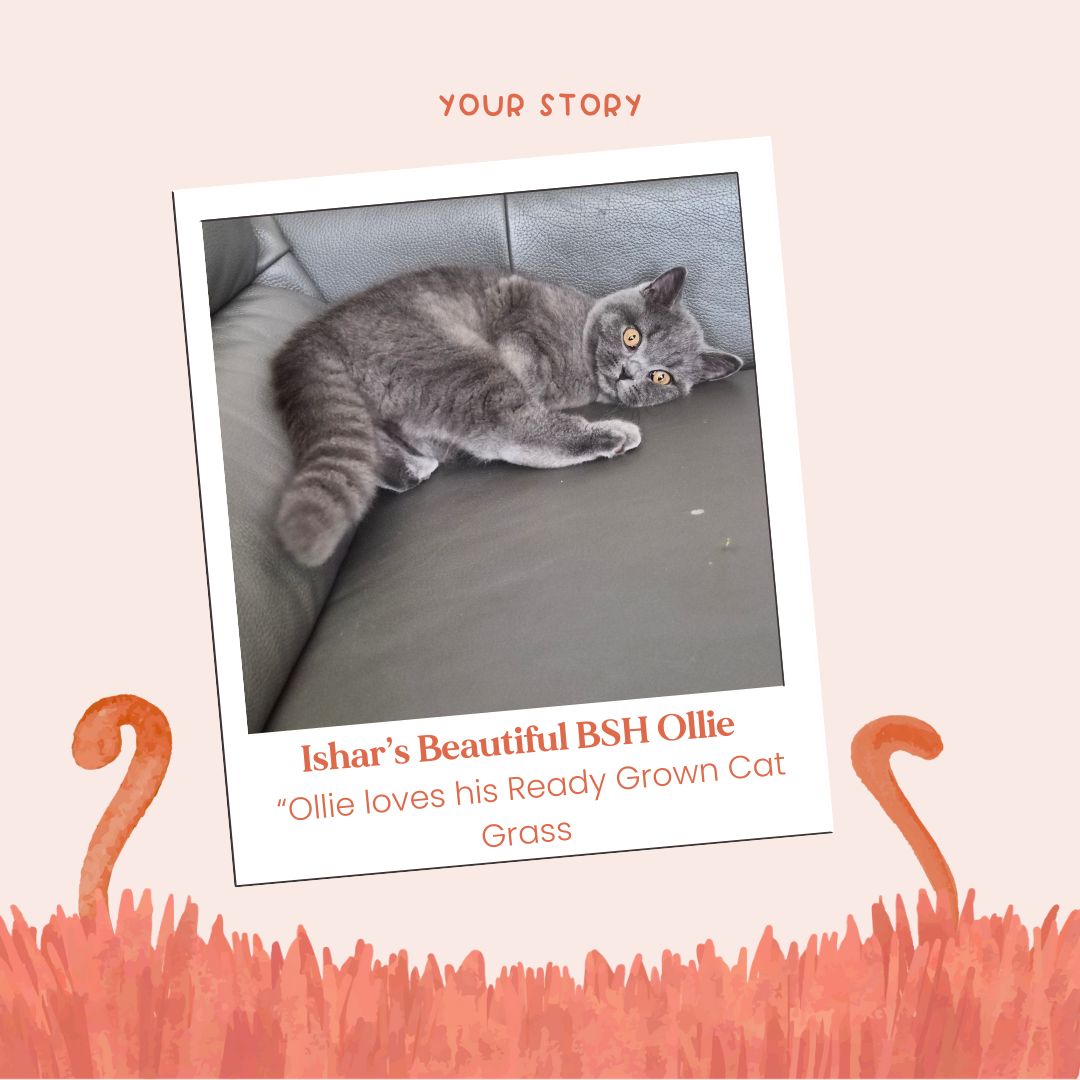
Beautiful BSH Ollie

We’re proud to announce that My Cat Grass has been shortlisted as a finalist for the Pet Industry Federation’s Innovation Award 2025

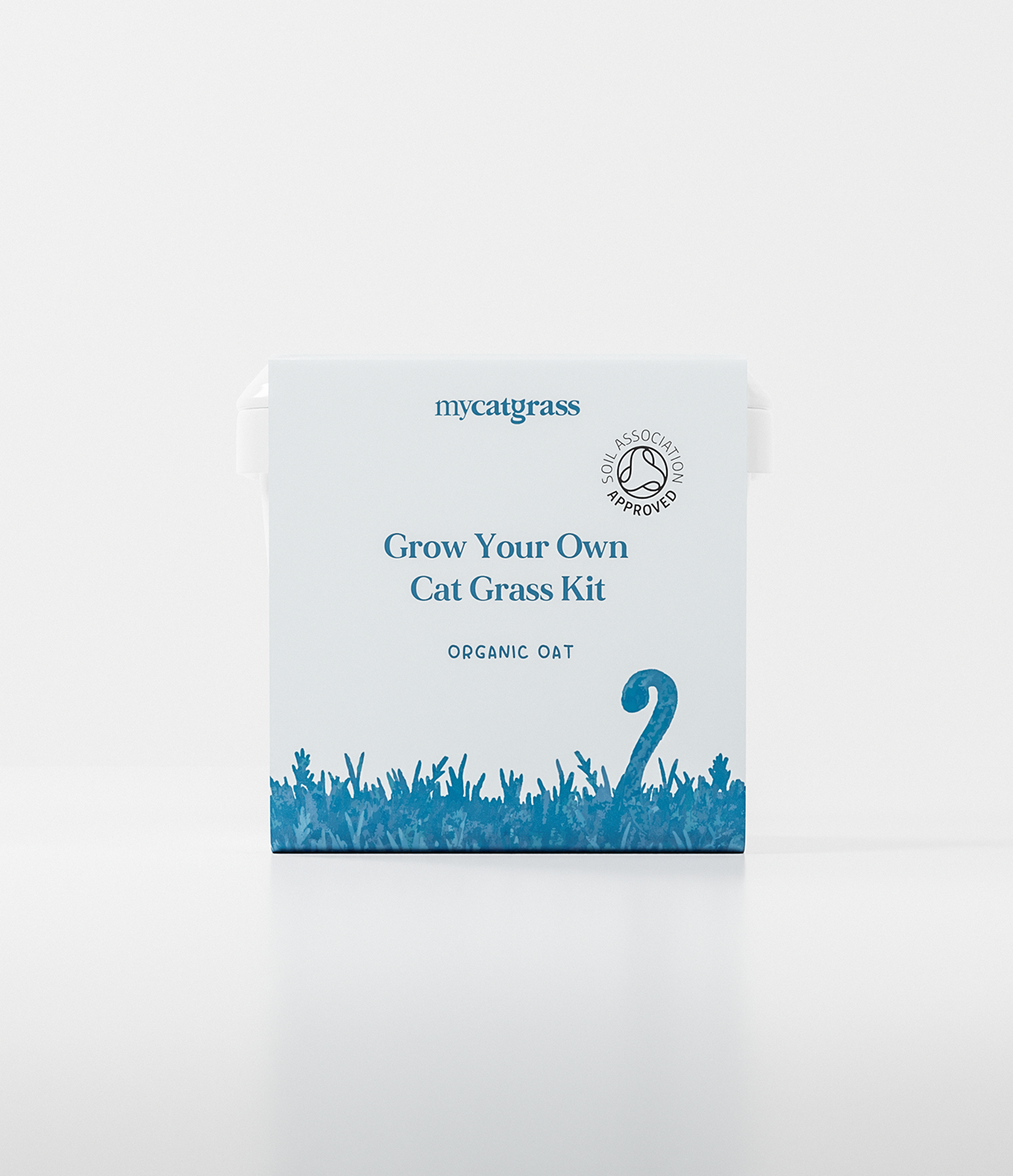
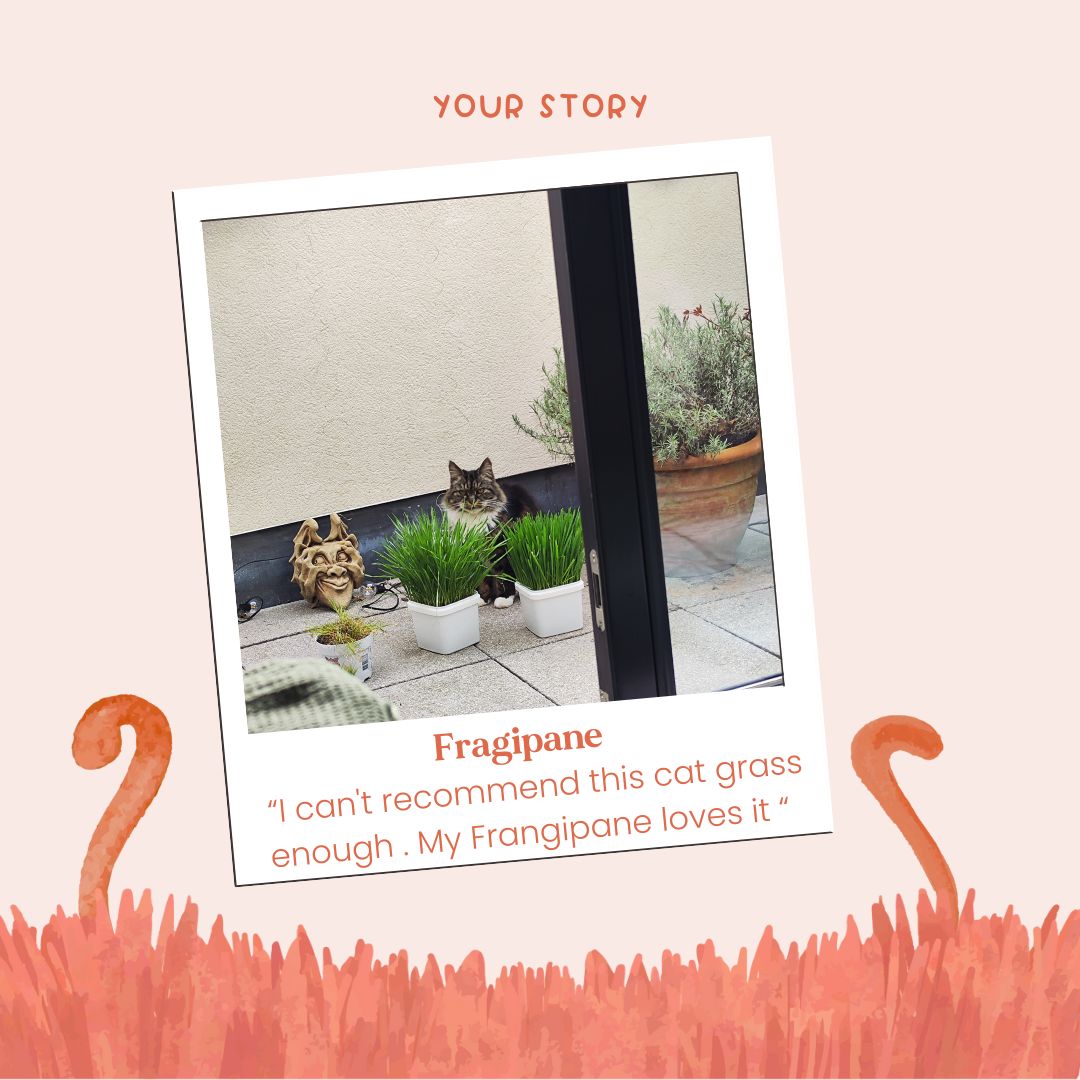
Alana and Frangipane love our Grow Your Own Cat Grass Kits. Alana Says my Frangipane loves it.
Win free tickets to The Cat Show Live 2024
Which Cat Grass is the best?

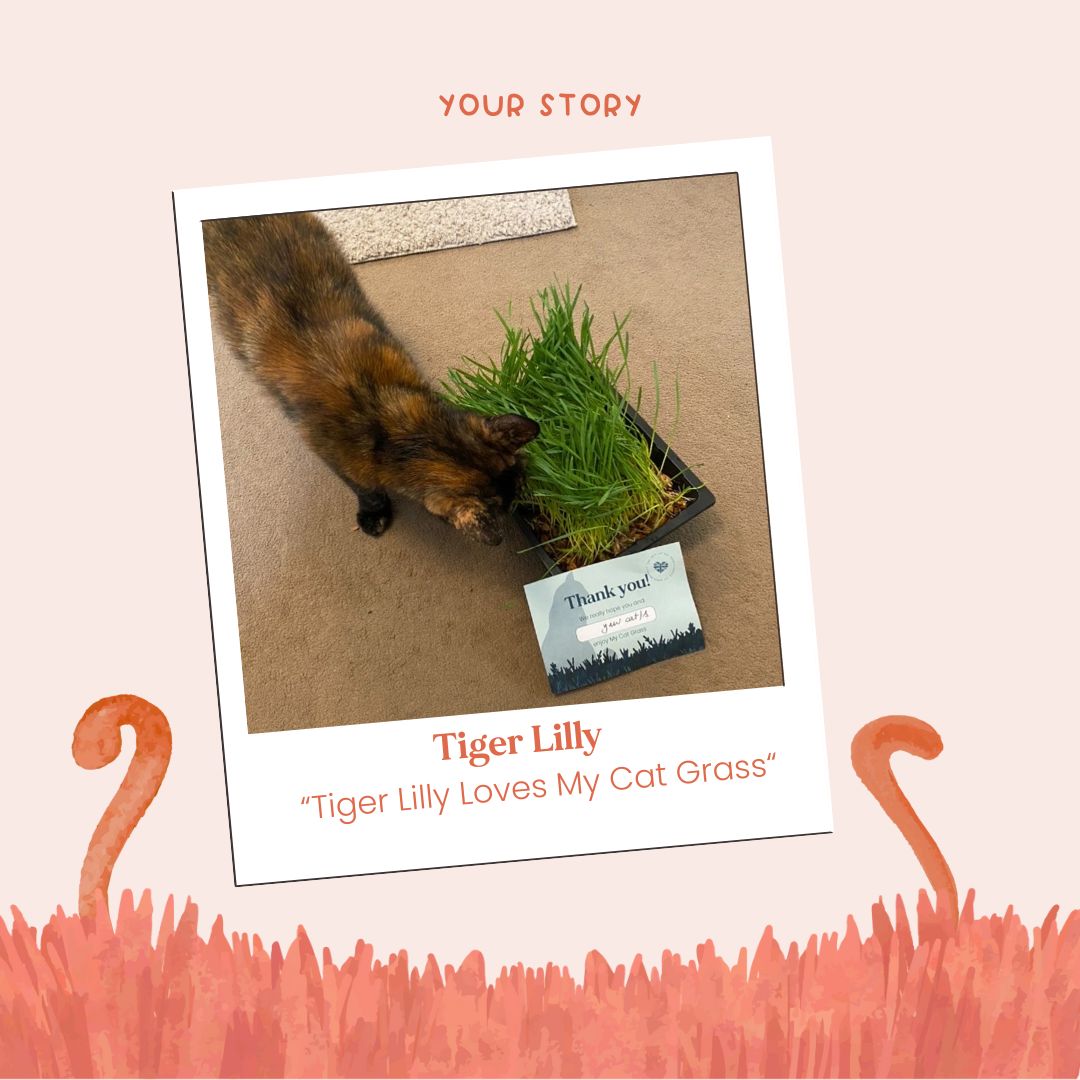
Tiger Lilly loves My Cat Grass