Why Cat Grass Turns Yellow: Understanding the Causes and Solutions
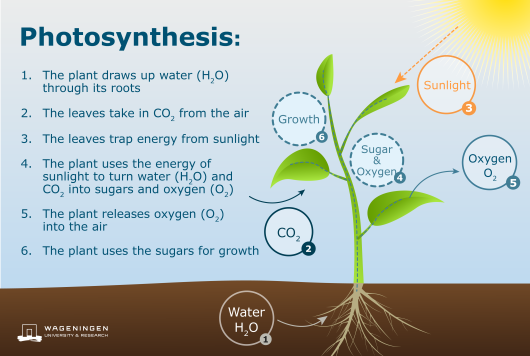
Cat grass can be an easy grow favorite among pet owners who want to provide their feline friends with a healthy snack. However, it’s not uncommon for cat grass to turn yellow, signaling underlying issues that need addressing. The three main factors contributing to yellowing cat grass are related to compost and nutrients, watering, and the amount of sunlight the grass receives. Understanding these factors can help you maintain vibrant, green cat grass for your furry companions. If you think back to school you may have learnt about Photosynthesis – don’t worry we’re not going to go into great detail – but it’s good to understand the three basic needs of cat grass.
Remember moist cat grass is grown from agricultural seed so will eventually die off. With a bit of practice, care and attention you can expect your cat grass to last three to four weeks before it’s time to replace it for a fresh batch.
Cat grass requires a nutrient-rich environment to thrive. The yellowing of cat grass often indicates a deficiency in essential nutrients. Cat grass is usually grown in a small pot or container, where the soil can quickly become depleted of nutrients.
Nutrient Deficiency: Nitrogen is one of the most crucial nutrients for healthy, green grass. A lack of nitrogen can cause the grass to turn yellow and weaken over time. Phosphorus and potassium are also vital for root development and overall plant health.
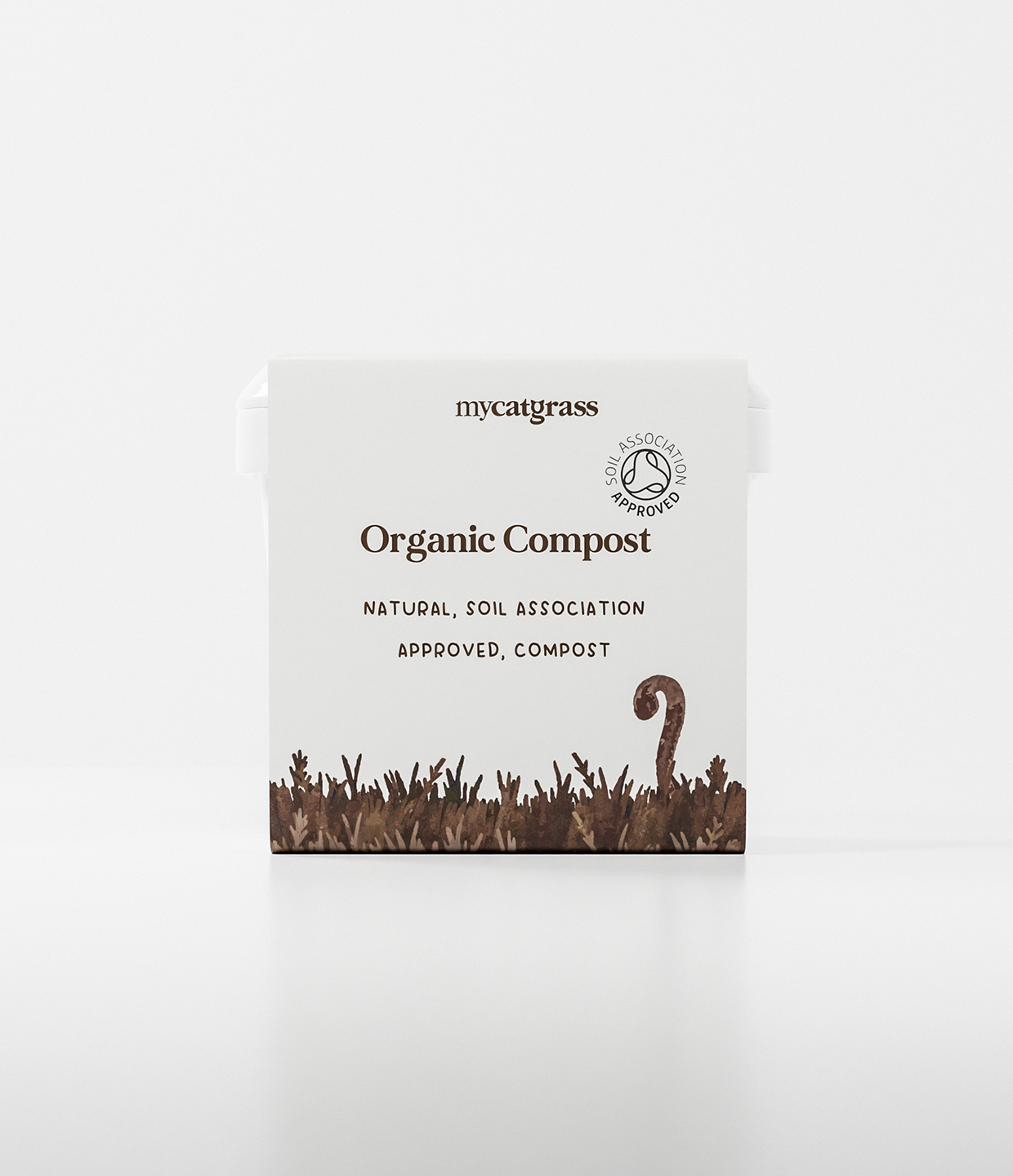
Solution: Use a high-quality potting mix rich in organic matter and consider adding a balanced fertilizer specifically designed for grasses. Compost can also be an excellent addition, as it improves soil structure and provides a slow-release source of nutrients. Regularly replenishing the soil with compost and fertilizers will ensure your cat grass receives the nutrients it needs to stay green and healthy. Alternatively you can use My Cat Grass Soil Association approved Organic certified compost, our proprietary compost specifically designed for growing cat grass.
Watering is another critical factor that can affect the health of cat grass. Both overwatering and underwatering can cause yellowing.
Overwatering: Excess water can lead to root rot, a condition where the roots become waterlogged and start to decay. This deprives the plant of the oxygen it needs, causing the grass blades to turn yellow and die.
Underwatering: On the other hand, insufficient water can cause the grass to dry out and turn yellow due to dehydration. Cat grass has shallow roots, making it particularly susceptible to drying out.
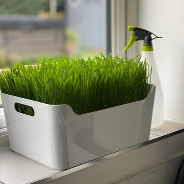
Solution: Maintain a balanced watering schedule. Water the cat grass when the top inch of soil feels dry to the touch. Ensure that the pot has proper drainage to prevent water from stagnating at the bottom, which can cause root rot. A self-watering container can also be helpful in maintaining consistent moisture levels. We recommend purchasing a spray trigger bottle here. This will not only water the top inch of soil and keep the lower section of soil water free but you can also us it to water the blades of grass aiding with your cats water intake.
Sunlight is essential for photosynthesis, the process by which plants convert light into energy. However, both too much and too little sunlight can harm cat grass.
Too Much Sunlight: Excessive direct sunlight, especially during the peak hours of the day, can scorch the grass, causing it to turn yellow and dry out. Cat grass typically prefers indirect or filtered sunlight.
Too Little Sunlight: Insufficient light can hinder the photosynthesis process, leading to weak, pale, and yellowing grass. Without adequate light, the grass cannot produce enough chlorophyll, the pigment that gives it its green color.
Solution: Place the cat grass in a location where it receives bright, indirect sunlight for about 6-8 hours a day. A windowsill that receives morning sun but is shaded from the intense afternoon rays can be ideal. If natural light is limited, consider using a grow light to supplement the light requirements. A frosted bathroom windowsill – which doesn’t get too hot – is another good location.
Keeping cat grass green and healthy involves paying attention to its nutritional needs – using a good quality compost, watering habits – using a spray trigger bottle watering twice day, and sunlight exposure – picking a location for your cat grass with lots of indirect sunlight. By ensuring that the soil is rich in nutrients, watering appropriately, and providing the correct amount of light, you can prevent yellowing and maintain a thriving patch of cat grass for your feline friend.
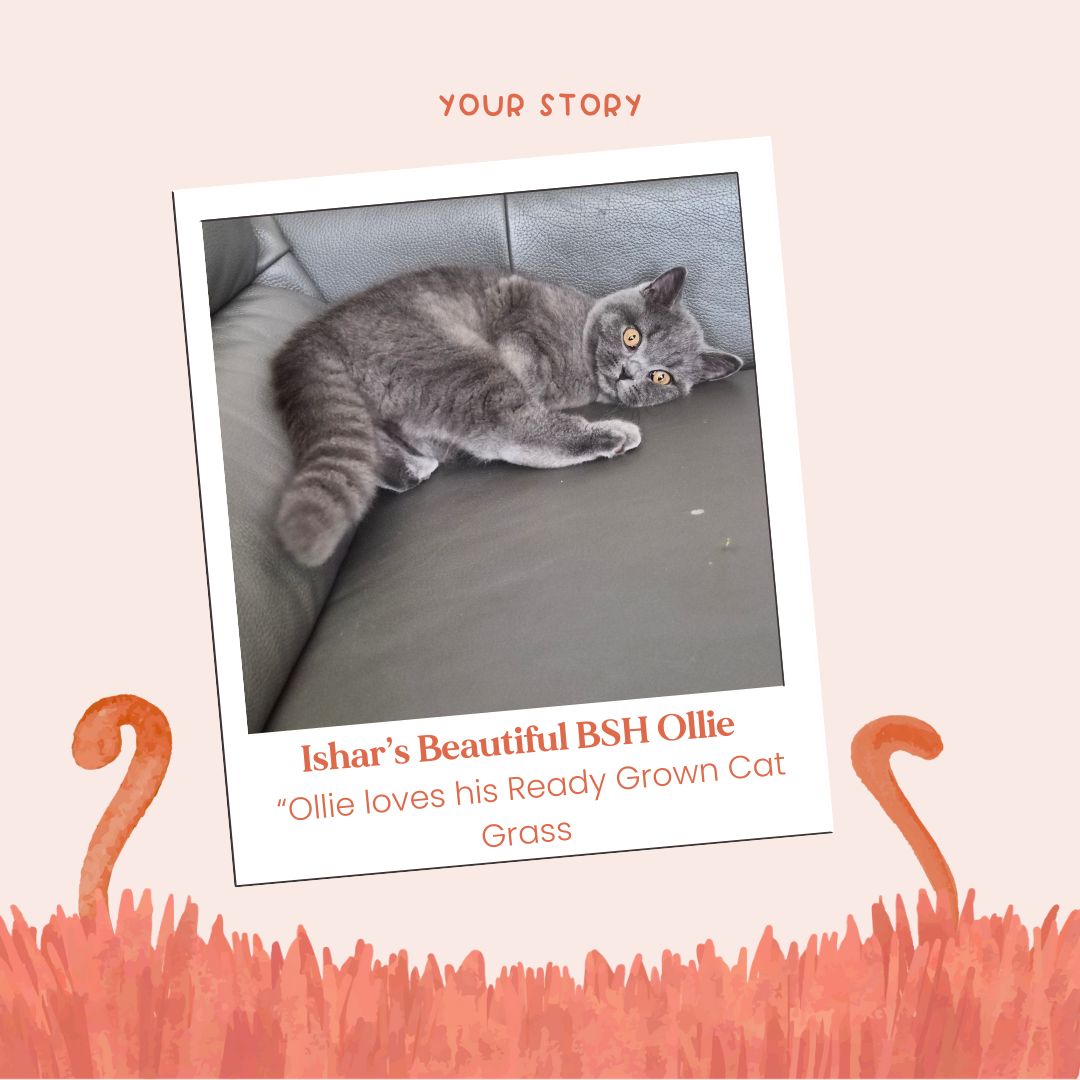
Beautiful BSH Ollie

We’re proud to announce that My Cat Grass has been shortlisted as a finalist for the Pet Industry Federation’s Innovation Award 2025

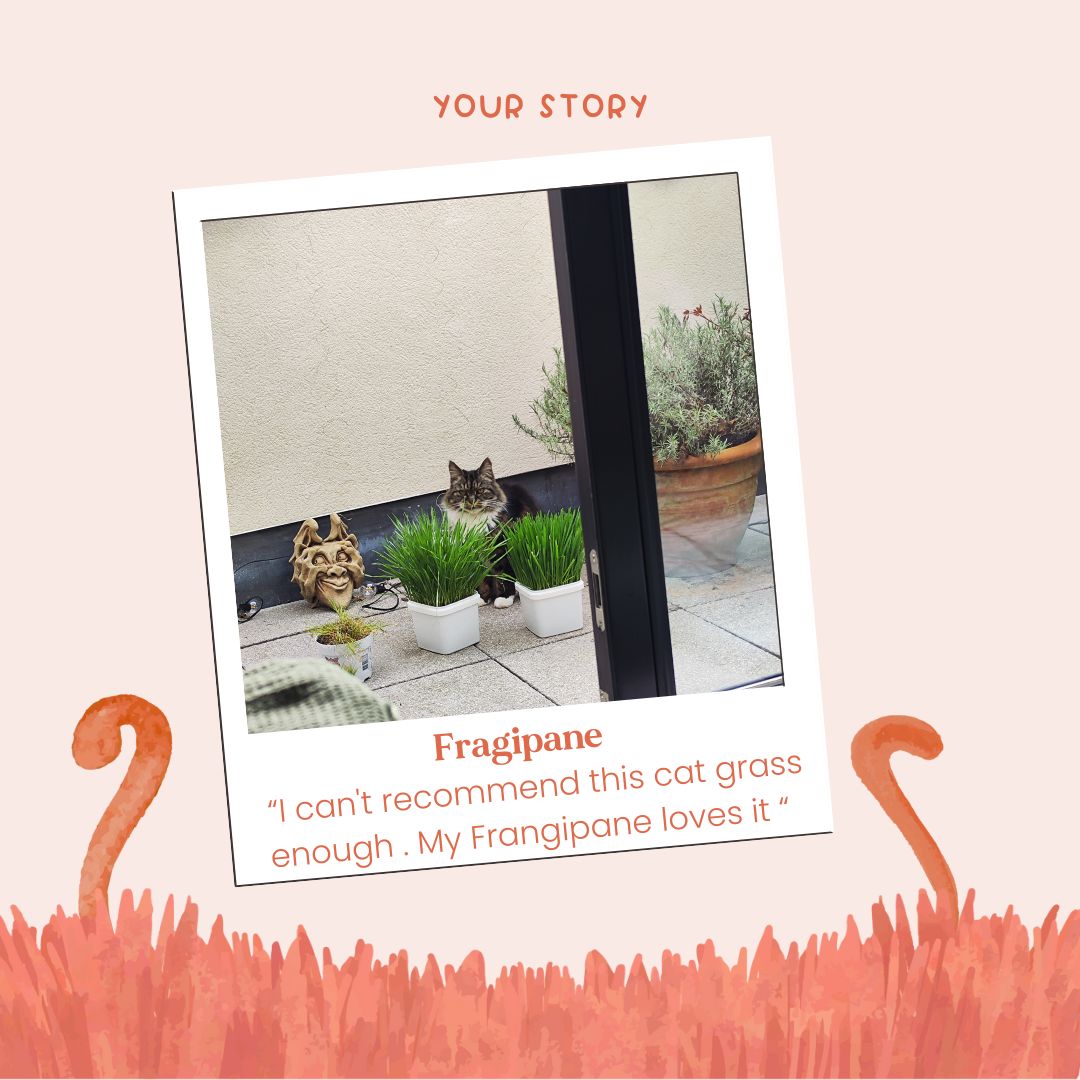
Alana and Frangipane love our Grow Your Own Cat Grass Kits. Alana Says my Frangipane loves it.
Win free tickets to The Cat Show Live 2024

Which Cat Grass is the best?

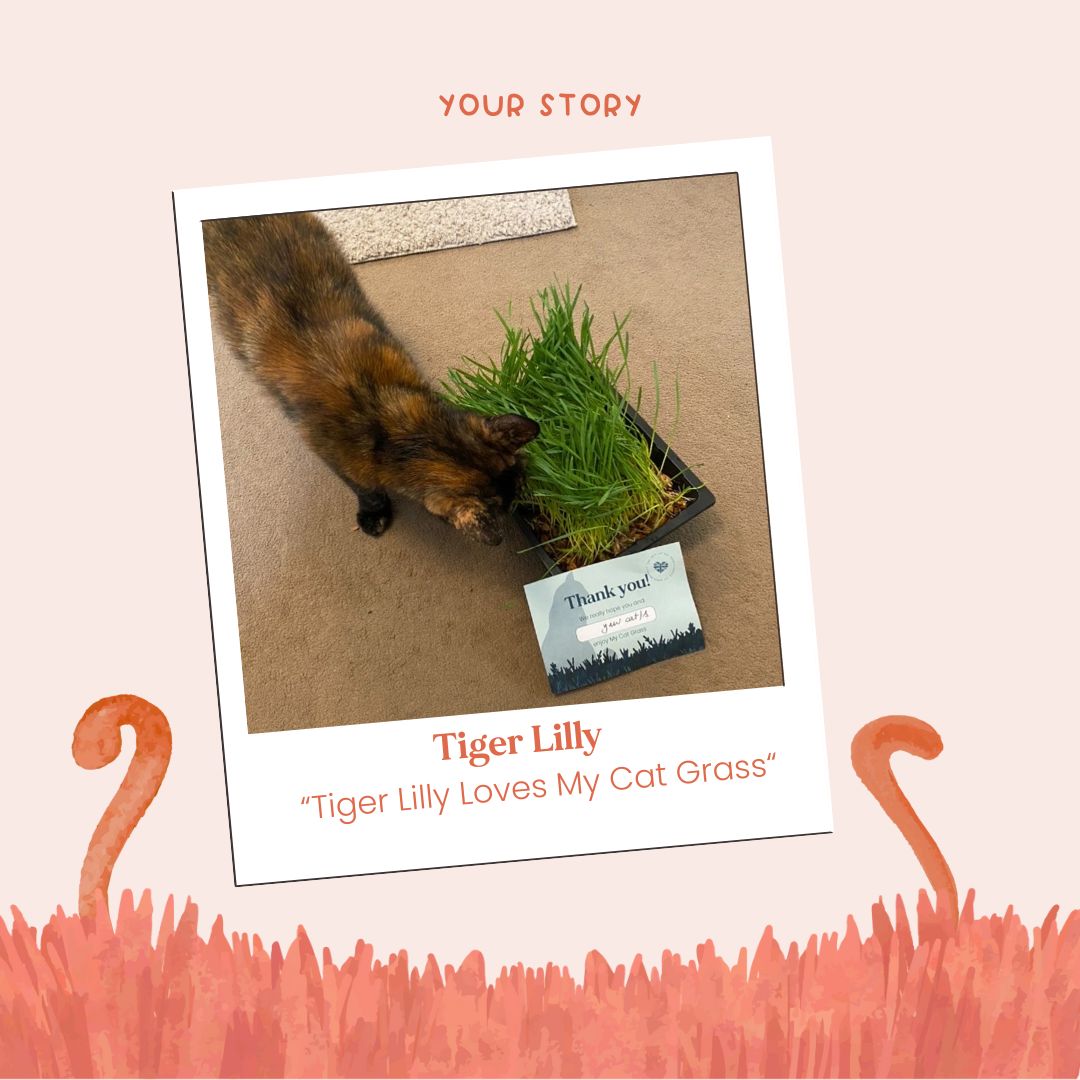
Tiger Lilly loves My Cat Grass