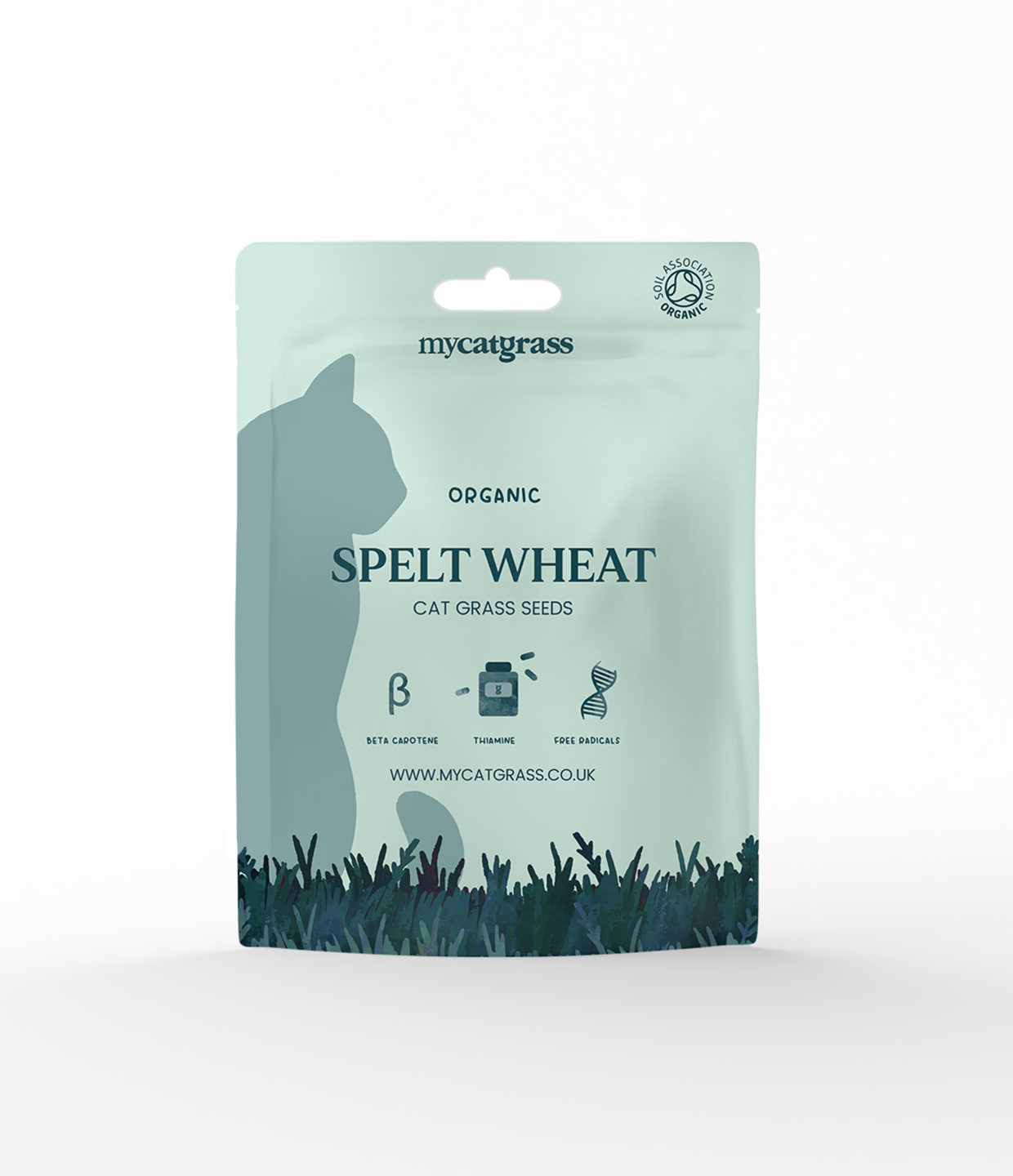
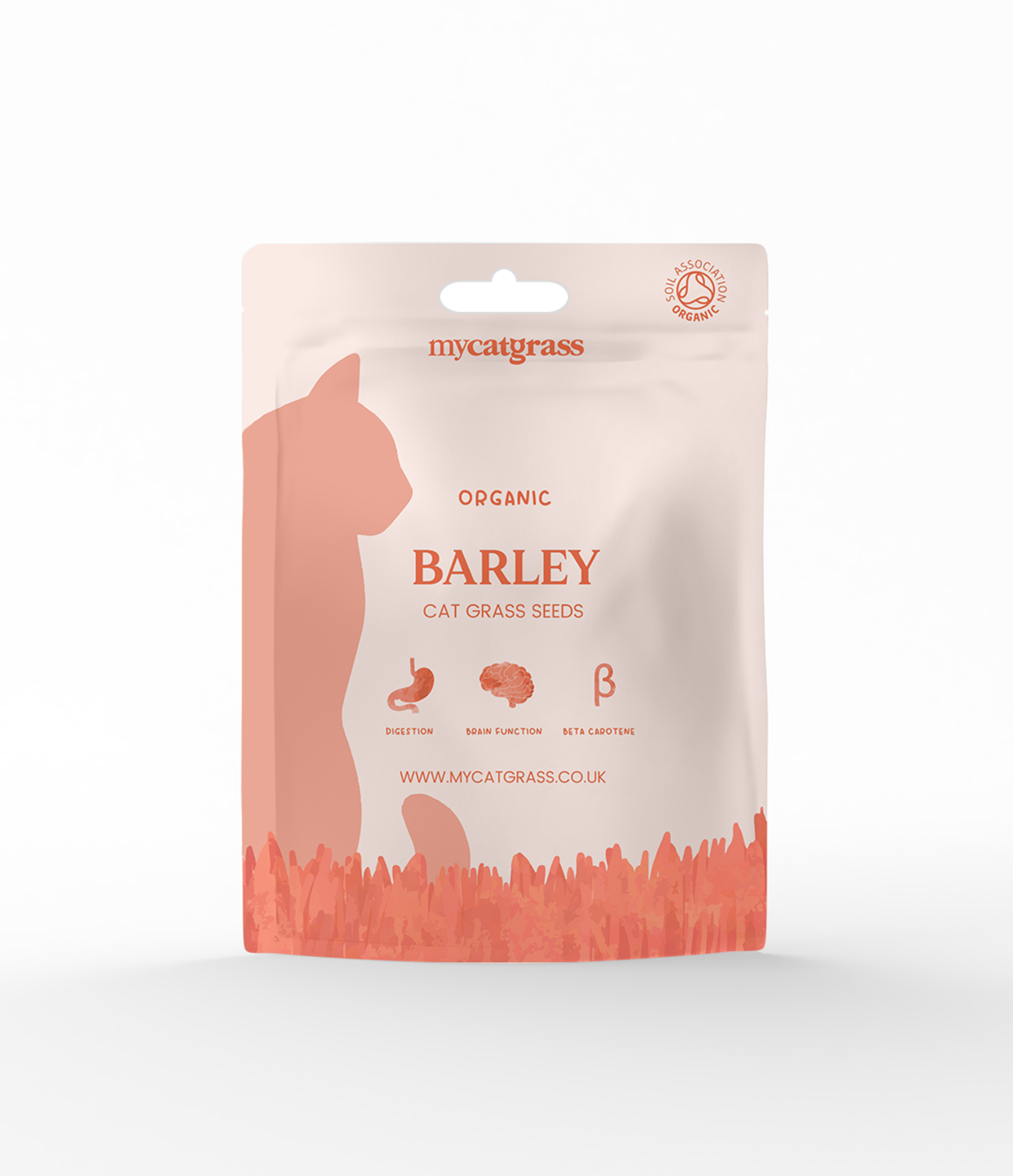
If you’re a cat owner, you’ve probably noticed your furry friend nibbling on houseplants or munching on grass in the yard. Providing your cat with cat grass can be a great way to satisfy their cravings for greenery in a safe and healthy way. But with so many different types of cat grass available, you might be wondering: which cat grass is the best? In this guide, we’ll break down the most popular types of cat grass seeds, including Wheat, Spelt Wheat, Rye, Oat, Barley, Alfalfa, mixed seed grasses, Cocksfoot, and Lawn seed. We’ll discuss the differences between them, their ease of cultivation, and the pros and cons of each type.

.
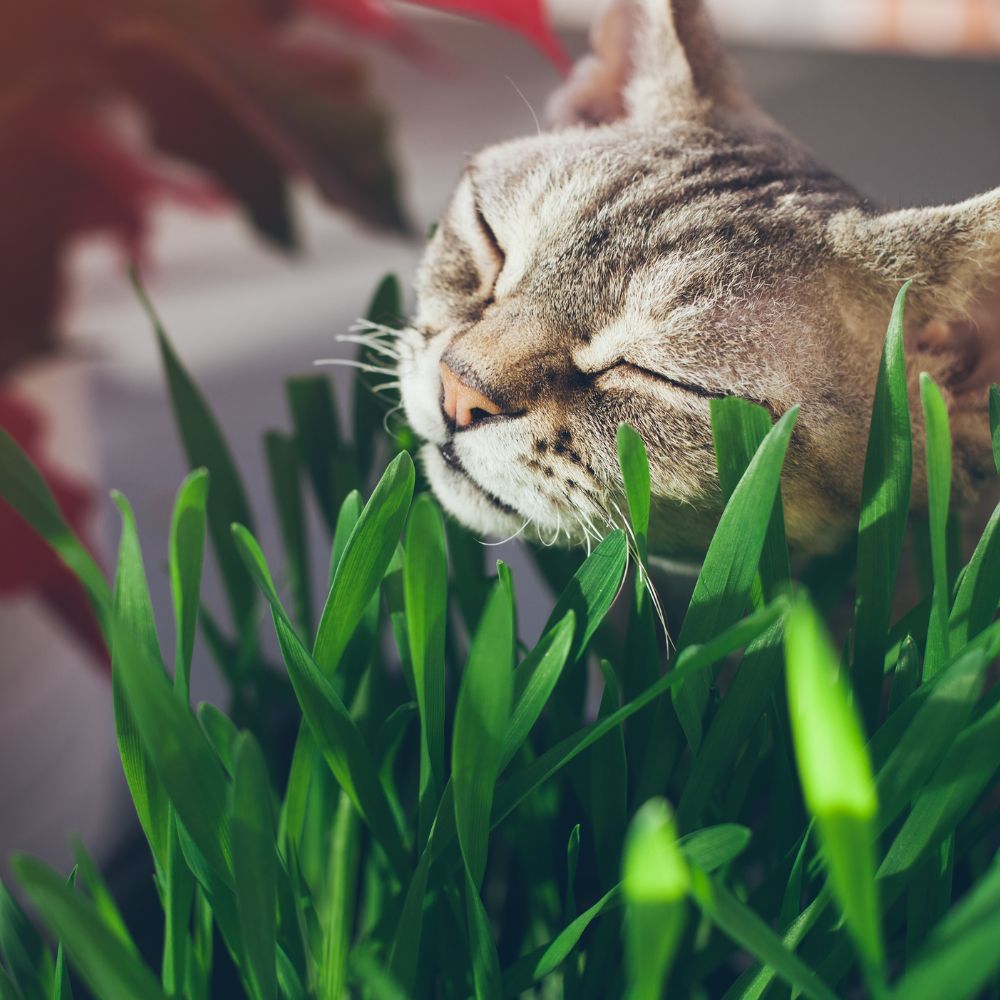
Cat grass is a term used for various types of grass that are safe for cats to eat. Cats are naturally drawn to grass because it aids in digestion through supporting intestinal tract motility, and provides essential nutrients that may be missing from or to complement their diet. The most common types of cat grass come from cereal grains, such as wheat and barley, but other types of seeds can also be used.
Difficulty to Grow: Moderate
Pros:
Cons:
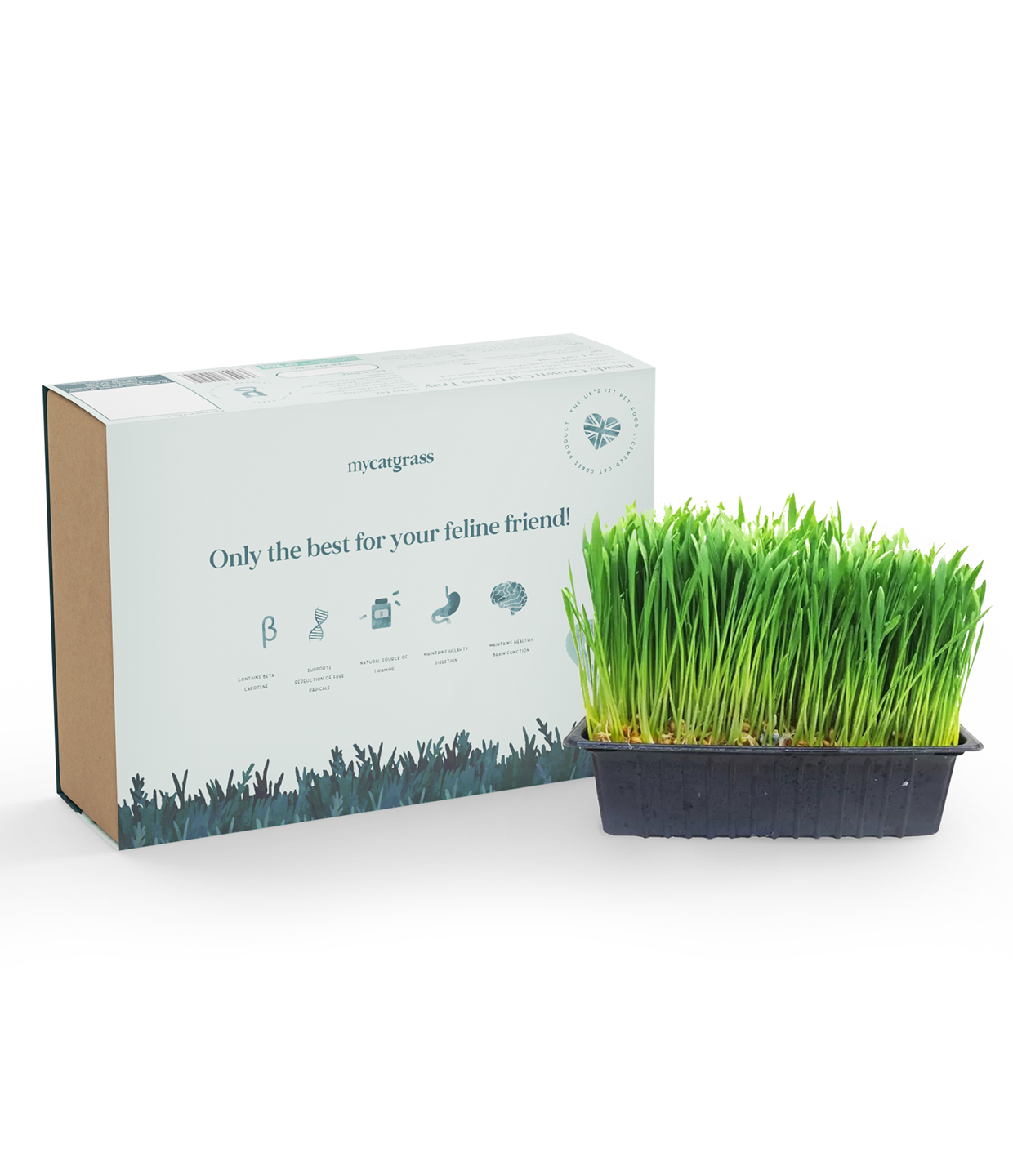
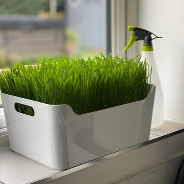
Overview: Spelt Wheatgrass is our customers most popular choice for cat grass. It grows quickly once established and is packed with essential nutrients that are beneficial for your cat’s health. It’s moderately easy to grow and easy to care for indoors, making it a convenient option for cat owners. Spelt Wheatgrass is a more ancient grain that offers a slightly different nutrient profile than regular wheatgrass. It’s hardier, more resistant to mould and contains more fiber, which can be beneficial for digestion
Ryegrass (Lolium perenne)
Difficulty to Grow: Easy
Pros:
Cons:
Overview: If you are growing Rye grass for your cats we cannot stress enough the importance of switching to a safe source of cat grass for your cats.
Oat Grass (Avena sativa)
Difficulty to Grow: Easy
Pros:
Cons:
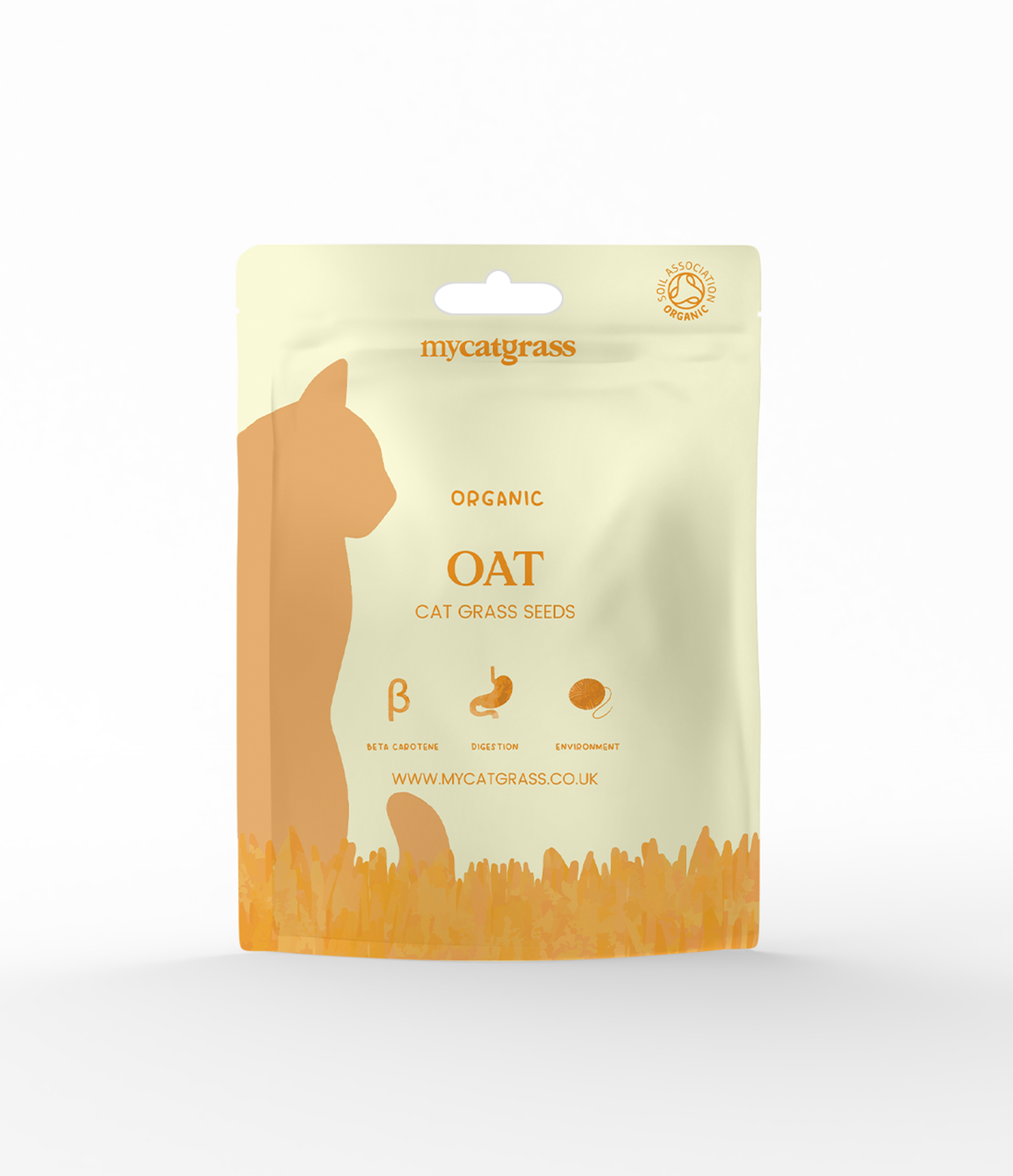
Overview: Oat grass is known for its sweet taste, however cats do not possess the biomechanics to “taste” sweet things. It is probably more attractive to cats who find other types of grass too fibrous or who have a sensitive palette. It’s rich in vitamins and minerals, and it grows quickly, although it does require a bit more space than some other grasses.
Barley Grass (Hordeum vulgare)
Difficulty to Grow: Easy
Pros:
Cons:
Overview: Barley grass is another nutrient-rich option that is particularly high in antioxidants, which can help support your cat’s overall health. It grows a bit more slowly than oat but faster than Spelt Wheat. A good all round medium cat grass.
Alfalfa (Medicago sativa)
Difficulty to Grow: Easy
Pros:
Cons:
Overview: Alfalfa is a nutrient-dense plant that offers a wide range of health benefits, including improved digestion. However, it’s not as tasty as some other options, so some cats may be less inclined to eat it. Great for cats with CKD and PKD due to its high Beta Carotene content. Grows like cress which can be harvested like cress and sprinkled in small amounts on your cats food once a day.
Mixed Seed Grasses
Overview: Mixed seed cat grass are not legal in the UK. As a seed processor (anyone selling cat grass seed in the UK must be a DEFRA licensed seed processor – without exception). DEFRA and trading standards declare the weights and variety name of each seed must be declared on the packaging of each pouch of cat grass seed. Mixed variety seed pouches would have to contain so much labelling that it would be near impossible to meet the legal obligations required by DEFRA and trading standards.
If your cat grass provider is selling seed for the purpose of cat grass including “Kitty Gardens” and “Greens” in this way, we recommend you change supplier to one that is a registered seed processor (required even if you’re a small “Mom and Pop” operator) that meets the UK’s legal requirements.
Cocksfoot (Dactylis glomerata)
Difficulty to Grow: Moderate
Pros:
Cons:
Overview: Cocksfoot got its name from the Hertfordshire based agriculturalist of the late 1900’s. Cocksfoot is a tougher, more resilient grass that can grow in various soil conditions and as such was developed for fodder for ruminates (think cows etc) that was low cost, would expand quickly, grow in situ and spread. This afforded farmers a more cost-effective roughage for their livestock. It is nutrient poor and has small hooks (otherwise known as spines) on the stems which are very dangerous for cats.
Cocksfoot was colloquially known as cat grass when initially discovered as cats could often be seen congregating around it. It was never recorded if the cats were ever seen eating it? It’s far from the safe and more appealing cereal grains used today as cat grass. The dangerous spines, less tender shoots and roughage would cause modern cat owners to wonder why it was ever called cat grass.
Lawn Seed
Difficulty to Grow: Easy
Cons:
Overview: If you have a lawn we recommend switching to growing a safe source of cat grass indoors for your cats. We would never recommend using lawn seed for cat grass.
Difficulty to Grow: What to Consider
When choosing the best cat grass for your home, consider how easy it is to grow. Some grasses, like barley and oat grass, are quick to germinate and require minimal effort. Others, like spelt wheat may take more time and care. If you’re new to growing cat grass, starting with Spelk Wheatgrass, Oat or Barley grass might be the best choice. Rye, Lawn and Mixed seed grasses should be avoided at all costs.
Pros and Cons: Weighing Your Options
Each type of cat grass has its own set of benefits and drawbacks. Here’s a quick recap:
Conclusion: Which Cat Grass Is the Best?
The best cat grass for your feline friend ultimately depends on your cat’s preferences and your growing conditions. Spelt Wheatgrass, Barley and Oat grass are excellent starting points due to their ease of growth and high nutrient content. If you’re looking for something different, consider Alfalfa cat grass for its antioxidant properties. Just be sure to avoid Mixed seed and lawn seeds pouches, and you’ll be well on your way to providing your cat with a safe and satisfying green snack.
Happy Cat Grass Growing, and here’s to your cat’s health!
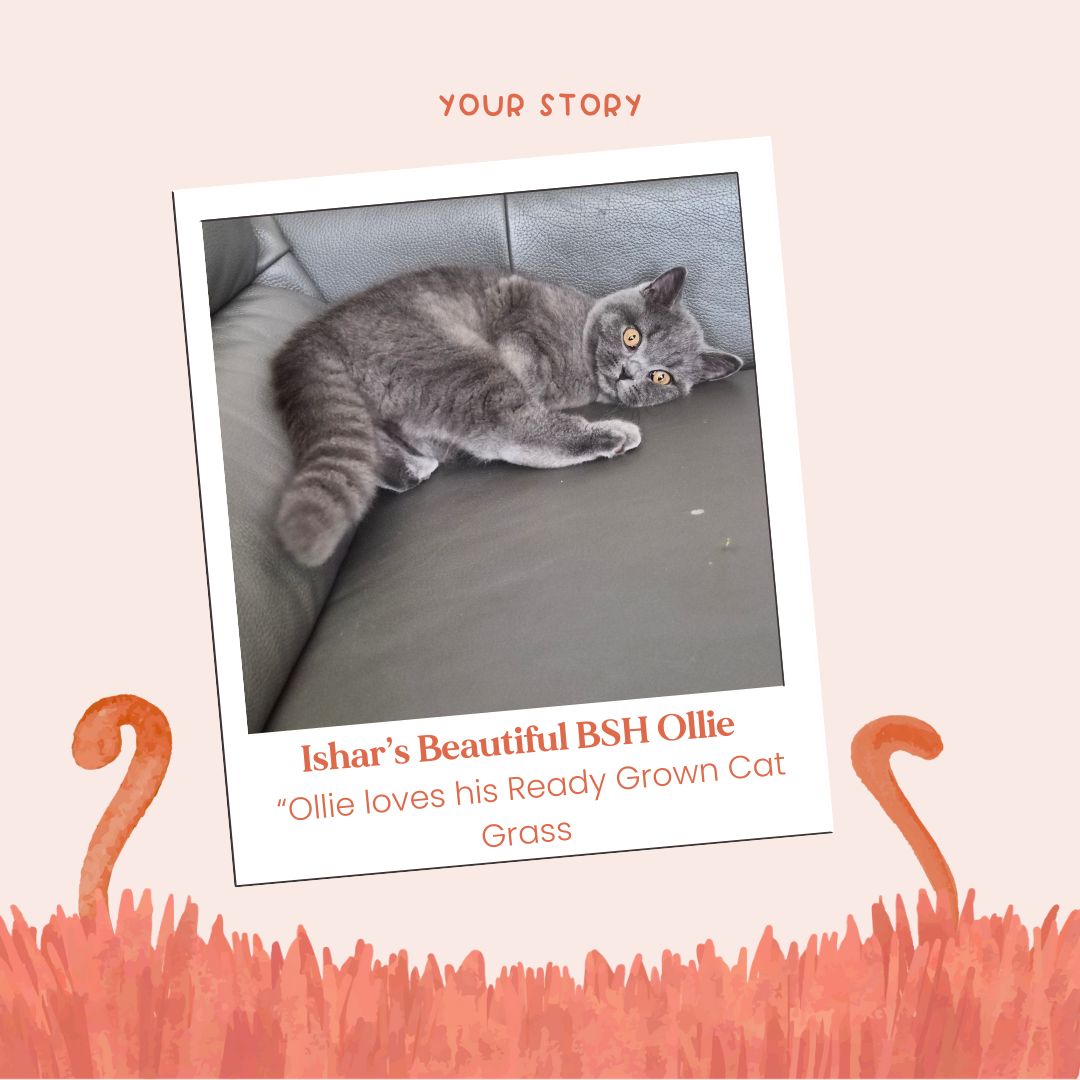
Beautiful BSH Ollie

We’re proud to announce that My Cat Grass has been shortlisted as a finalist for the Pet Industry Federation’s Innovation Award 2025

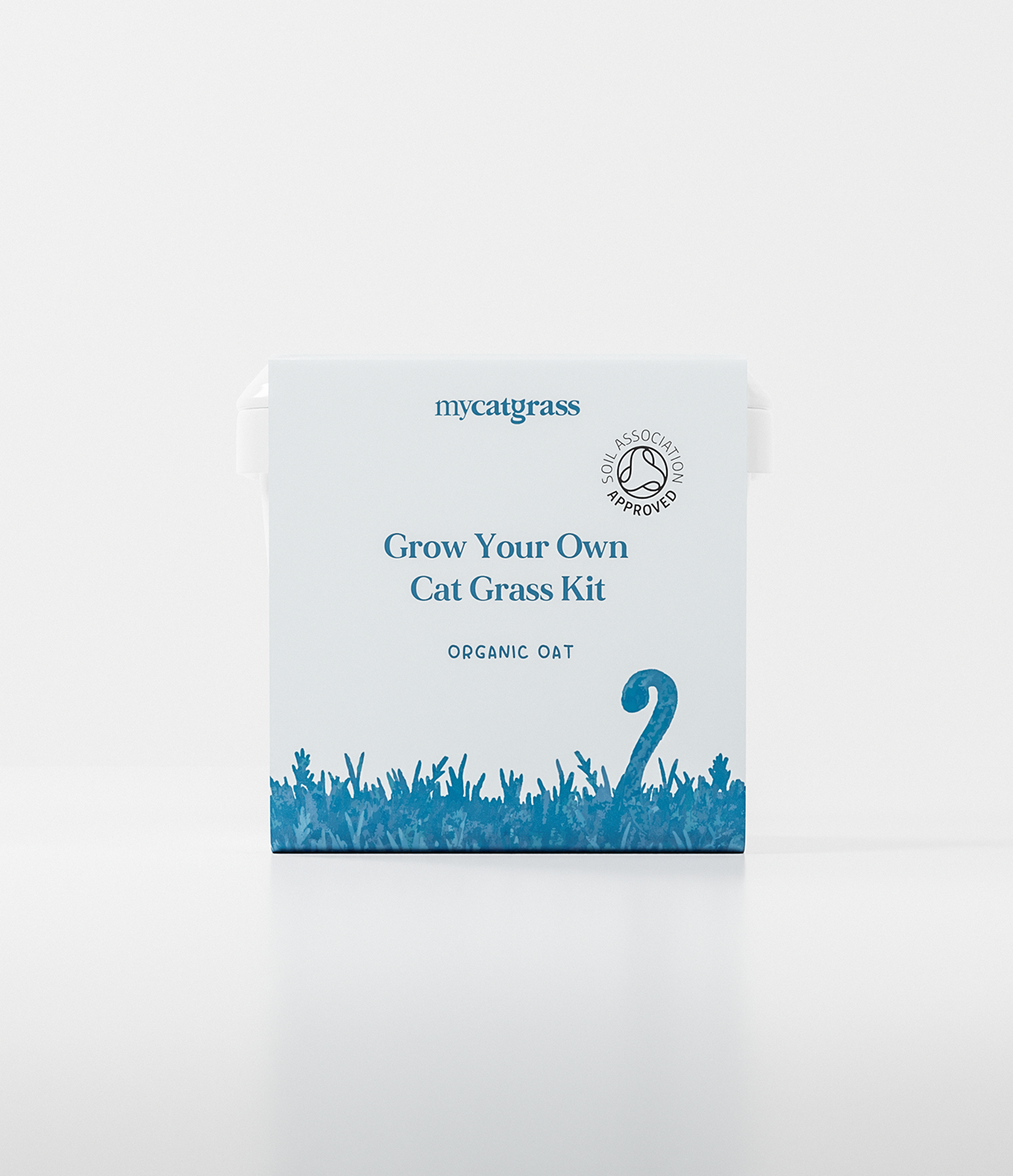
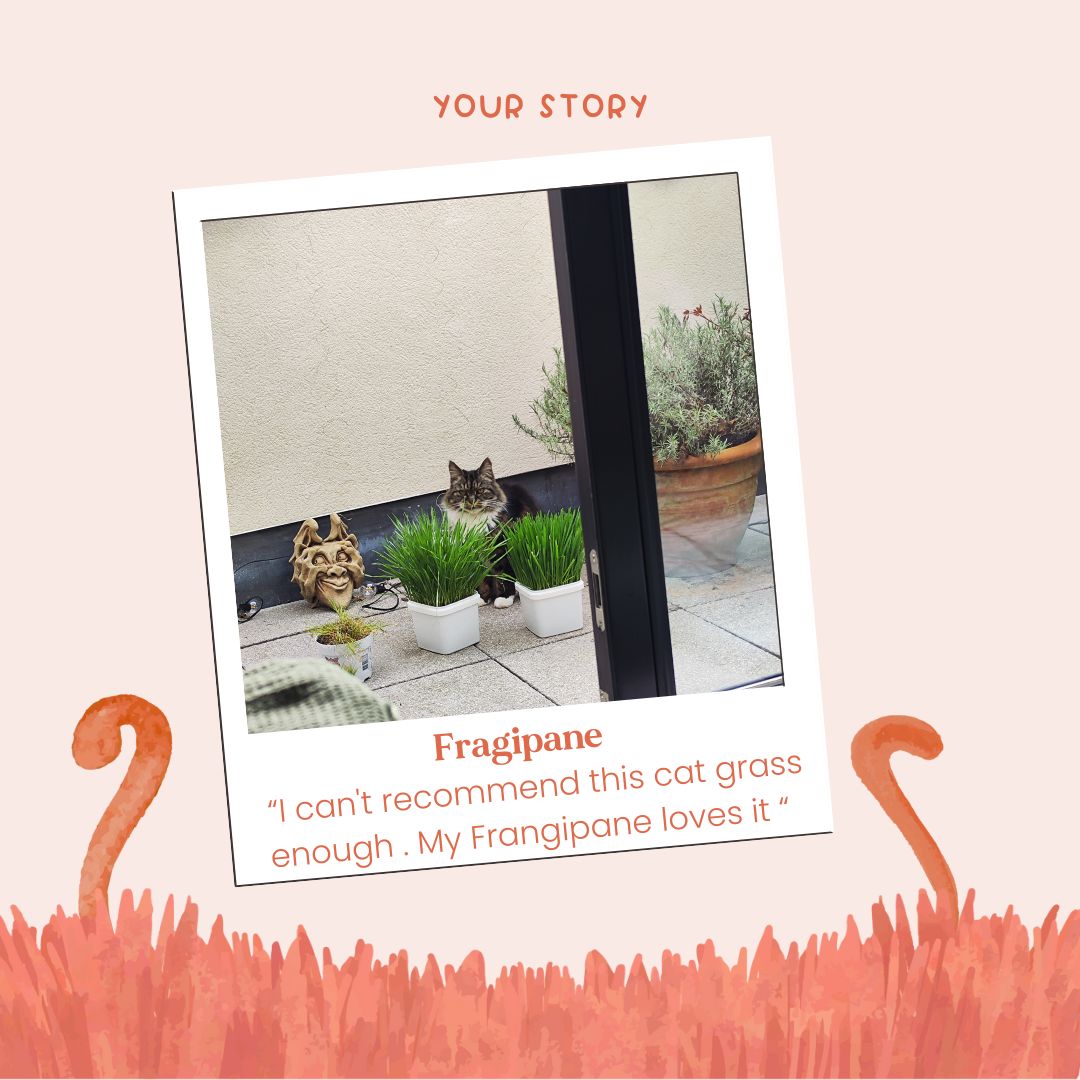
Alana and Frangipane love our Grow Your Own Cat Grass Kits. Alana Says my Frangipane loves it.
Win free tickets to The Cat Show Live 2024
Which Cat Grass is the best?
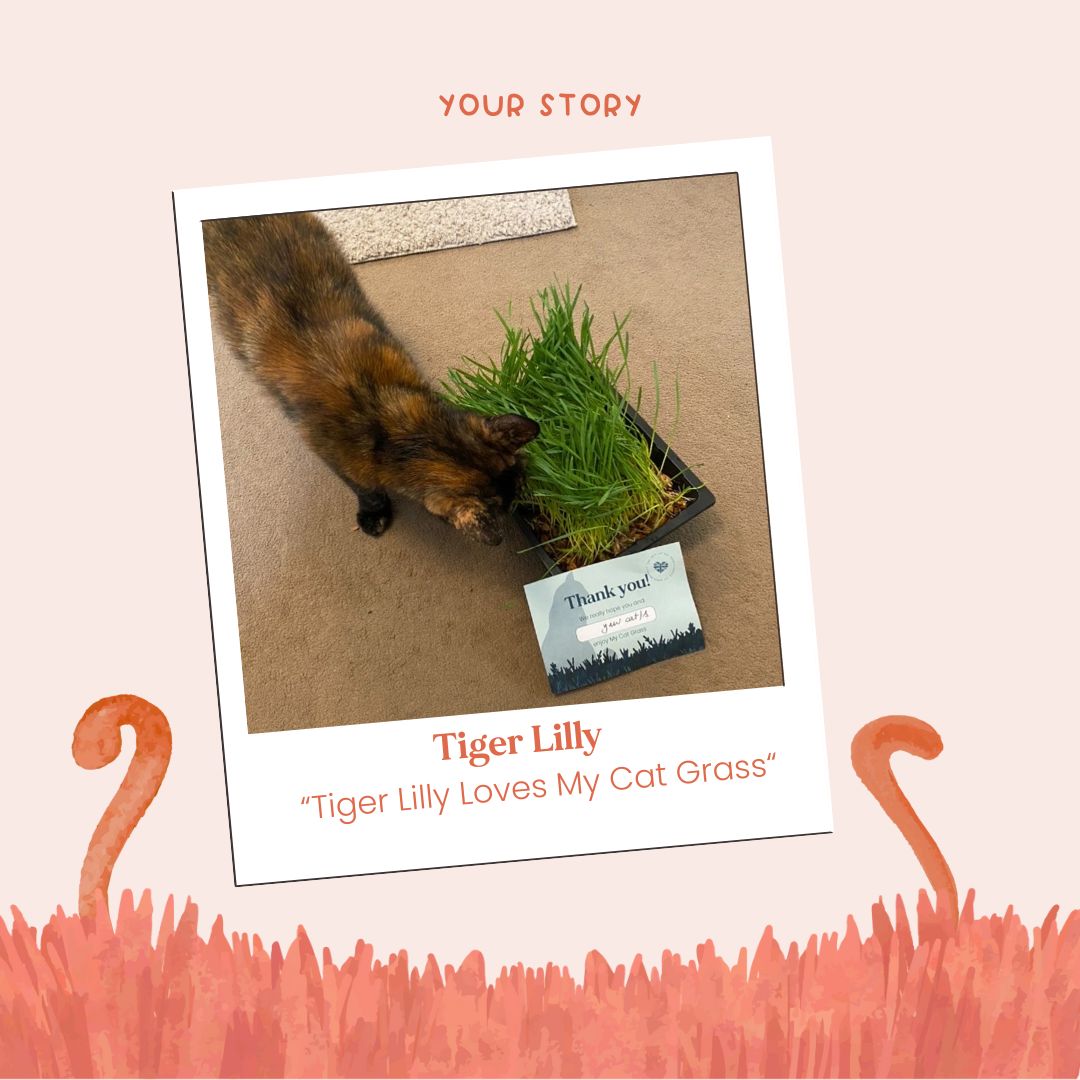
Tiger Lilly loves My Cat Grass